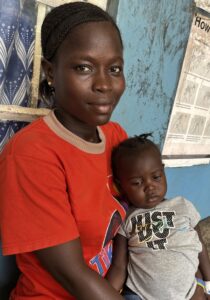
.Mariama Kamara, from the village of Lembema, brought her 2-year-old daughter, Tata, to the Tikoniko Community Health Center (CHC) in January when the Minnesota travel team was meeting with the CHC staff. Tata had a fever and was very listless. At the CHC, Tata was tested and then treated for malaria. Without proper care, she would have died from malaria. Luckily, ACT, the medication used to combat malaria, was available at the CHC, and Tata received prompt treatment.
Ever since RHCI began operating its mobile outreach clinics, malaria has been one of the most common illnesses diagnosed and treated. Additionally, RHCI has transported and paid hospital expenses for many children with severe malaria. Most of them survived, but not all.
Malaria 101: Most Americans have very little knowledge about malaria. Globally, it infects over 260 million people annually and over 600,000 people die from it, mostly children in Africa.
What is malaria? Malaria is a preventable and treatable disease, with infants and pregnant women being the most susceptible to severe illness and death. The malaria parasite invades the blood and liver and leads to multi-organ damage. Symptoms include fever, headache, malaise, joint pain, nausea and vomiting. Mosquitoes breed in warm, wet climates, and the long rainy season and hot weather are a perfect environment.
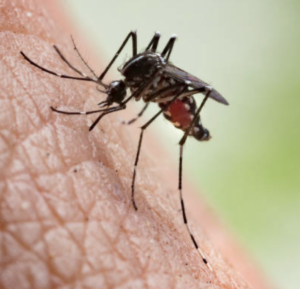
Spread from person to person by the female anopheles mosquito, Malaria was eradicated from the USA in the 1950’s with the use of DDT to kill the specific type of mosquito that transmits it. Over 80 countries still harbor this particiular mosquito and this disease. Malaria is now on the increase due to developing resistance of the mosquito to insecticides, the malaria parasite becoming resistant to medications, global warming with increased temperatures and moisture plus the loss of USAID funding for it.
Malaria is endemic in many countries in Sub-saharan Africa, with Sierra Leone and 13 other countries having the highest burden. Malaria has a huge negative impact on economic and human development in low resource countries such as Sierra Leone. RHCI has taken on the fight through a Global Malaria Grant from the Rotary International Foundation.
Titled the “Rotary Fights Malaria”Grant, the two year grant activities include:
- Expanding Malaria Case Management by training and equipping Community Health Workers in 18 villages in the Tikonko Chiefdom to test and treat malaria.
- Expanding the malaria vaccine program for young children to over 50 villages, along with other vaccines, deworming and Vitamin Treatments.
- Facilitating a malaria campaign in several large villages at the end of the rainy season.
Over 9000 children will benefit from this grant, including over more than 50 villages with over 40,000 people as indirect beneficiaries.
Rural Health Care Initiative is the implementing partner for this major grant. The Bo, Sierra Leone Rotary Club is the Host Club, and the White Bear Lake Rotary Club is the International Partner Club. RHCI is grateful to The Rotary International Foundation and these two Rotary Clubs for collaborating with RHCI in this project to fight malaria.
 .
.